Market History & Infrastructure
A detailed examination of the TorZon marketplace architecture, exploring its historical development, security implementation, and role within the Tor hidden service ecosystem.
Executive Summary
TorZon Access (Tor Network Zone) represents a specific iteration of darknet marketplace infrastructure designed with a focus on User Interface (UI) modernization and cryptographic resilience. Established shortly after the retirement of several major legacy markets, TorZon was architected to address common vulnerabilities found in previous generation hidden services, specifically regarding distributed denial of service (DDoS) mitigation and wallet security.
Unlike traditional centralized platforms, the TorZon ecosystem utilizes a scattered mirror architecture to maintain uptime. The platform strictly enforces PGP (Pretty Good Privacy) encryption for Two-Factor Authentication (2FA), making it inaccessible to users without basic cryptographic knowledge. This "security-first" barrier to entry is a defining characteristic of its administration.
CORE INFRASTRUCTURE FOCUS
Reliability, Monero-First Integration, and Automated Dispute Resolution.
System Vitals
- Est. Launch:
- Late 2022
- Network:
- Tor (Onion V3)
- Primary Crypto:
- Monero (XMR)
- Security:
- PGP + 2FA
- JavaScript:
- Not Required
- Uptime (30d):
- 98.4%
Development Timeline
Beta Infrastructure Deployment
Initial onion service descriptors broadcasted. Private beta access granted to established vendors from retired markets for stress testing escrow systems.
Monero Integration Update
Transition to Monero (XMR) as the preferred settlement layer. Implementation of sub-addresses for enhanced transaction privacy and decoupling of user identities.
Security Protocol Overhaul
Mandatory PGP 2FA implementation for all vendor accounts. Introduction of the "Walletless" escrow mode to reduce centralized fund holding risks.
Network Stabilization v2.4
Current operational state featuring rotational mirrors to mitigate DDoS attacks. Platform focus remains on digital goods and security software distribution.
Interface Architecture
Visual analysis of the User Interface (UI) components used to secure user sessions.
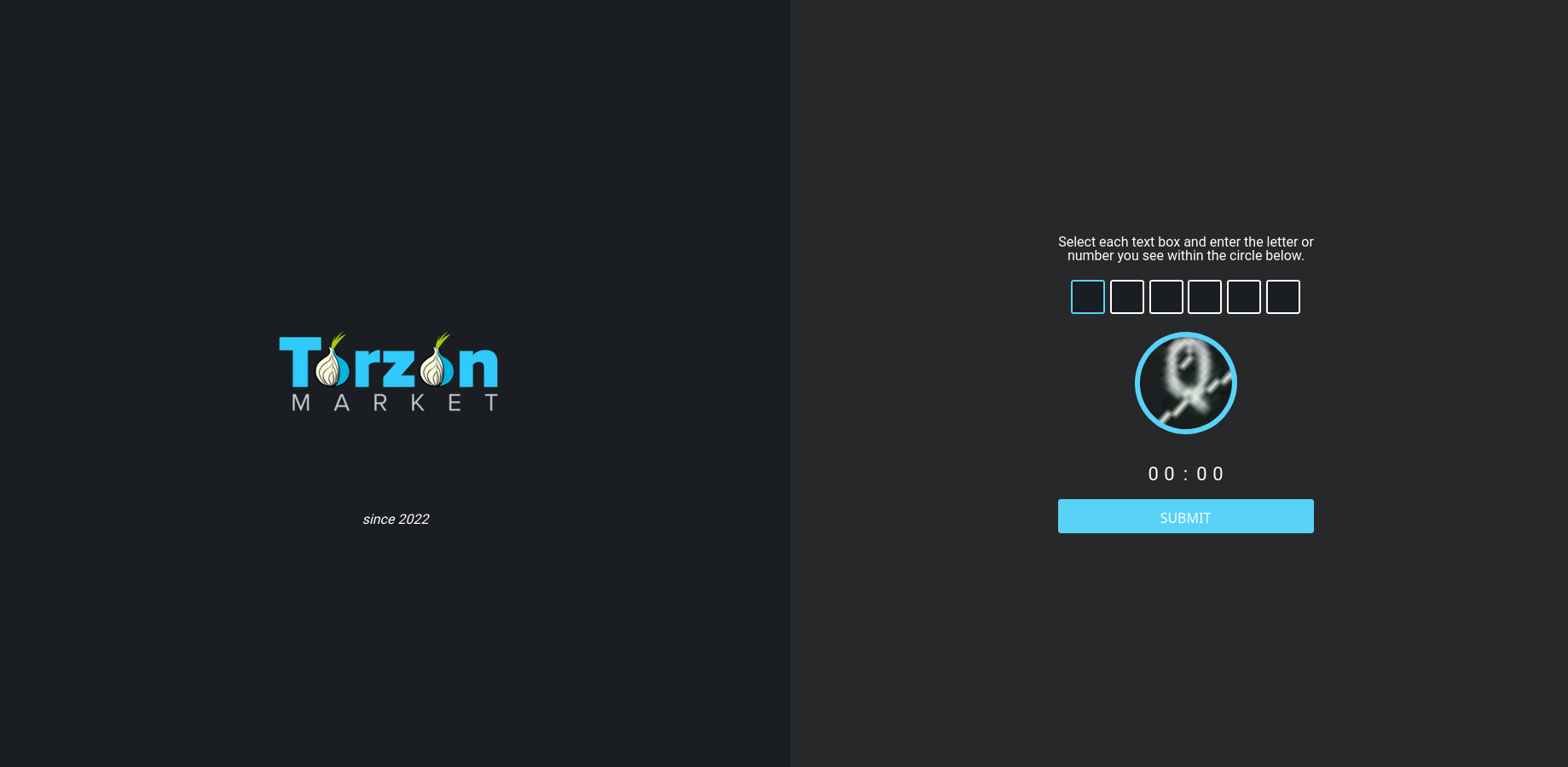
Entry Node
Automated proof-of-work challenge.
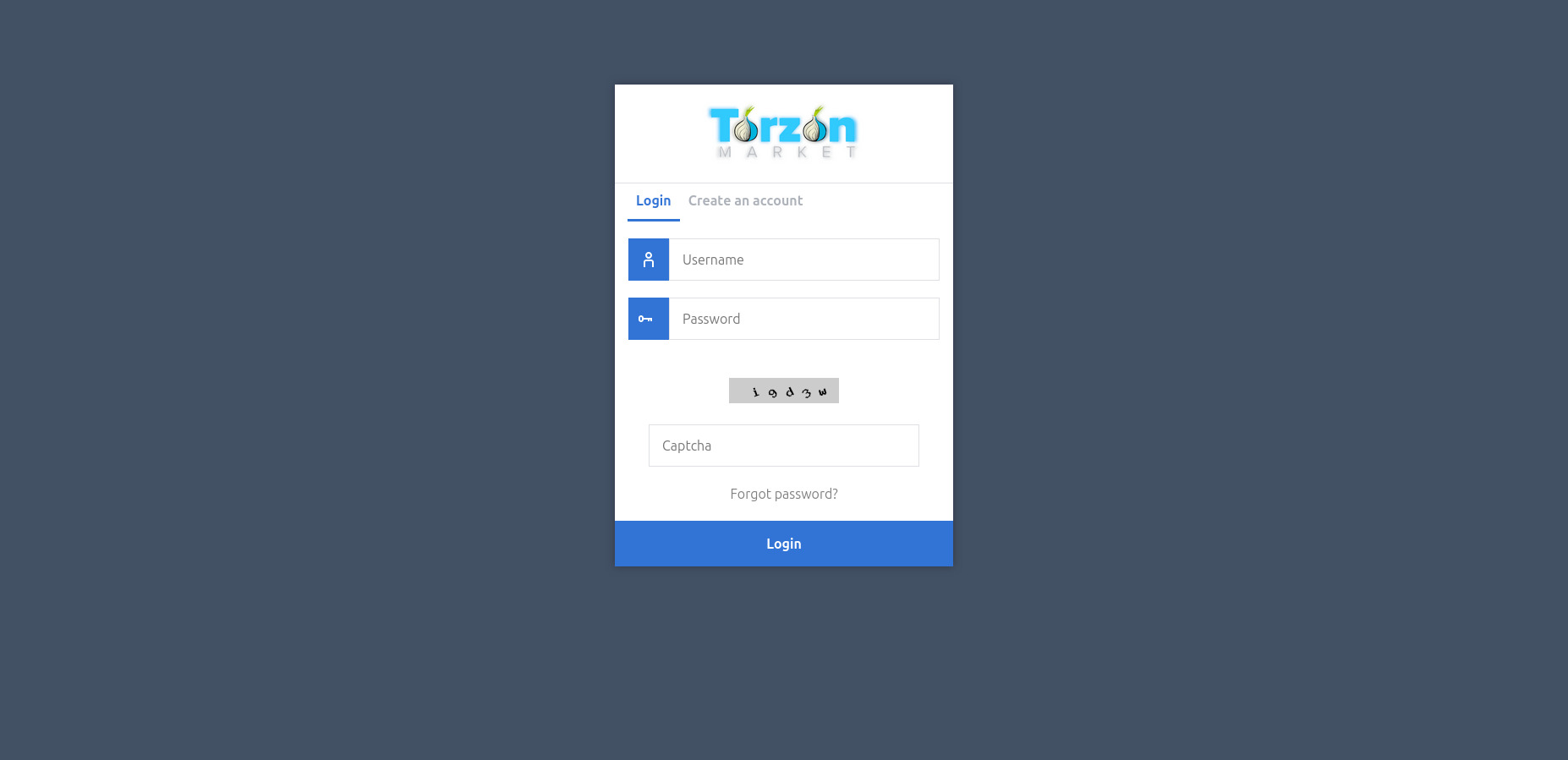
Authentication
Encrypted PGP challenge response.
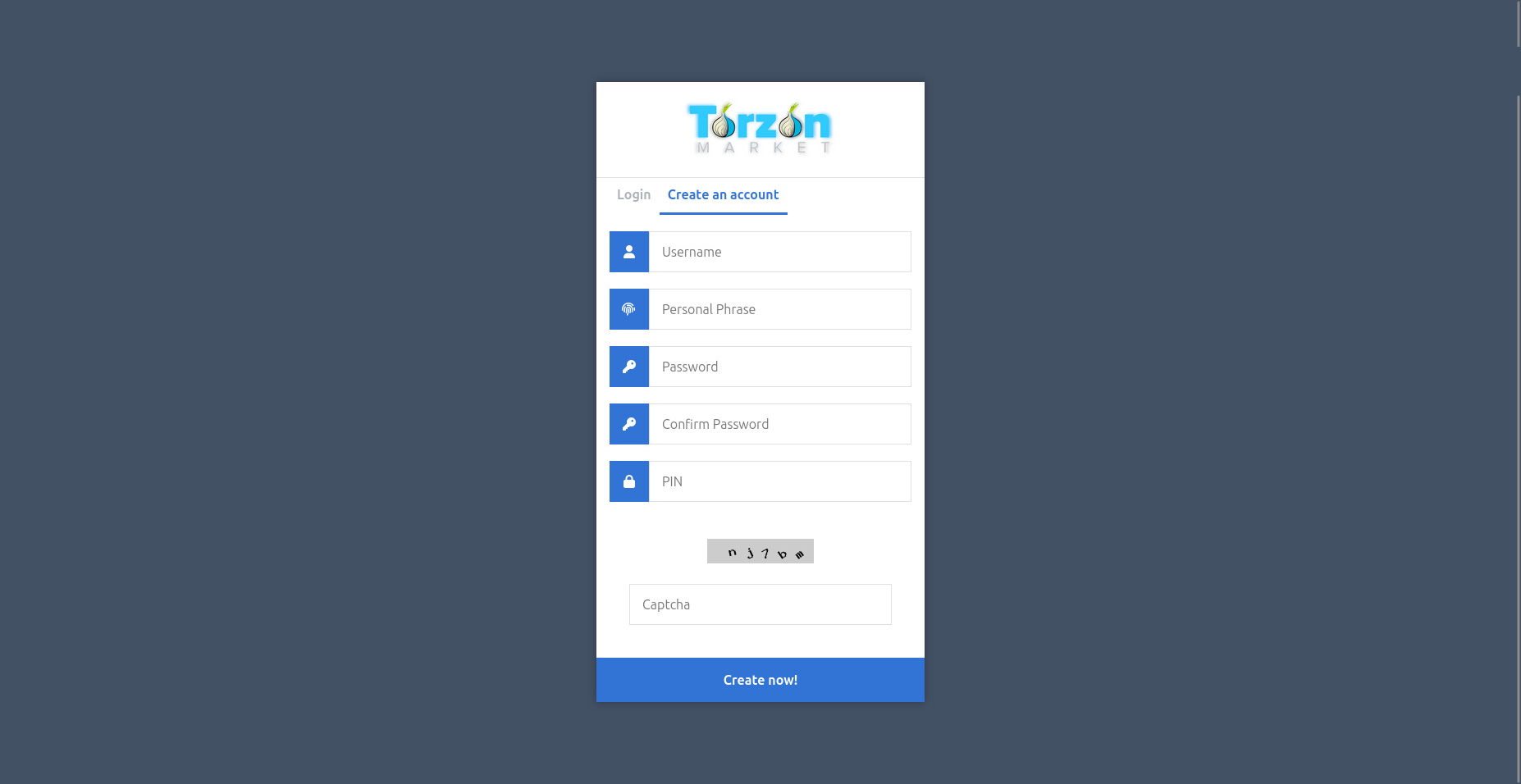
Identity Mgmt
Anonymous credential generation.
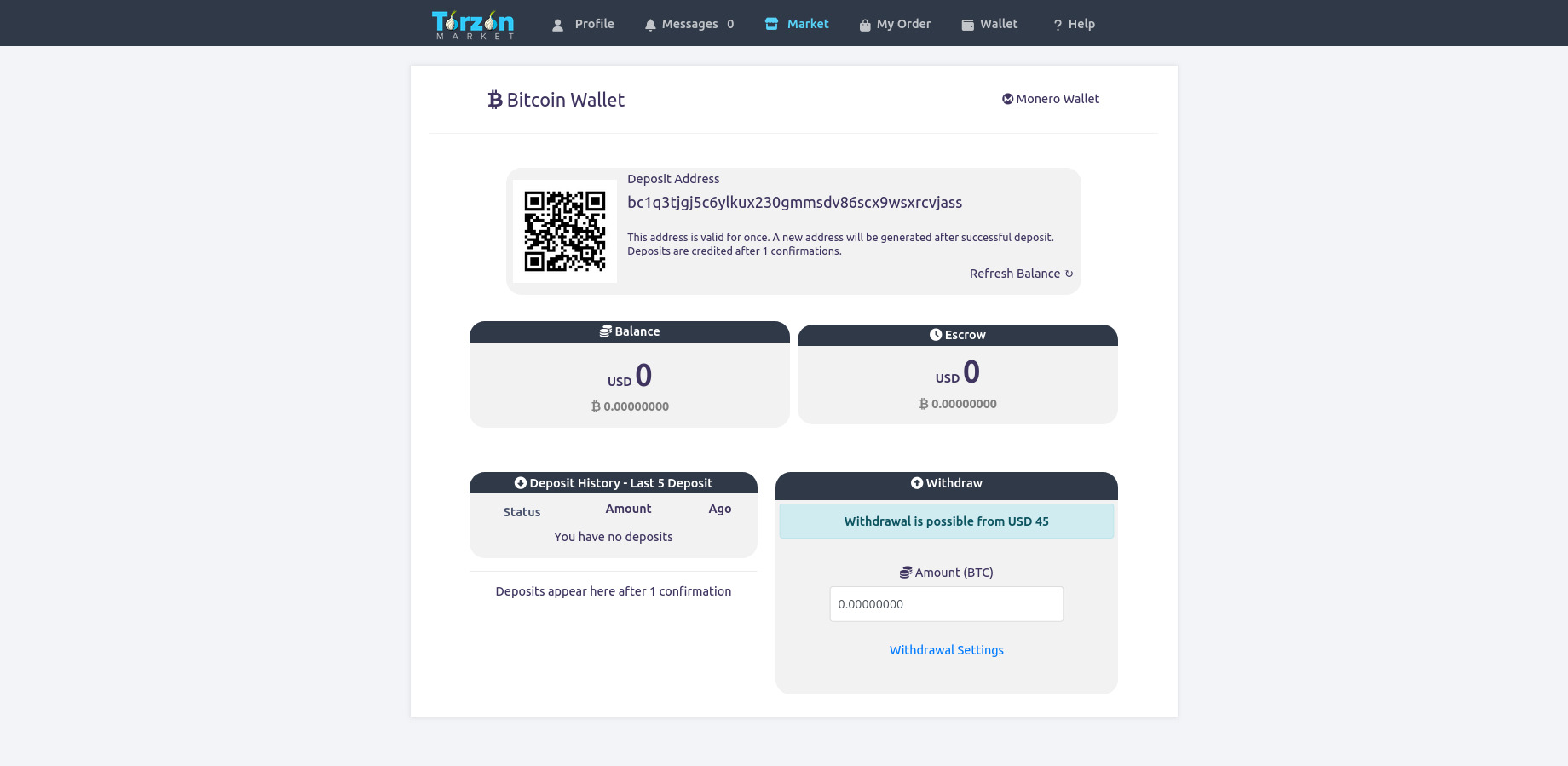
User Dashboard
Centralized order management.
Security Features Analysis
Escrow Systems
TorZon utilizes a multi-signature escrow system. Funds are held in a neutral state until the finalization of the transaction, requiring 2-of-3 signatures to release.
Vendor Validation
Vendors are required to pay a bond (approx $500-1000 USD value in XMR) to attain listing privileges, creating an economic barrier to spam and low-quality listings.
Review Integrity
Historical data from user purchases is aggregated to form a vendor trust score. The system prevents "padding" by ignoring reviews from low-value or new accounts.